Blog
-
How Kafka is applied in manufacturing
Have you ever wondered how manufacturing and automotive industries can effectively manage the vast amount of real-time data generated by sensors and systems throughout the production process? A few years back, these industries faced major obstacles in handling the large volume of real-time data produced by sensors placed across the production line. Even today many industries continue to grapple with similar challenges. Traditional data management systems struggle to process and analyze this data in real-time, leading to inefficiencies in operational activities and decision-making. To address these challenges, various manufacturing and automobile plants have embraced technologies like Apache Kafka.
read more... -
Looking towards Node-RED 4.0 and beyond
With Node-RED 4.0 coming soon, I wanted to take a look at what users can expect to see with the new release, as well as some of the new features we're working on.
-
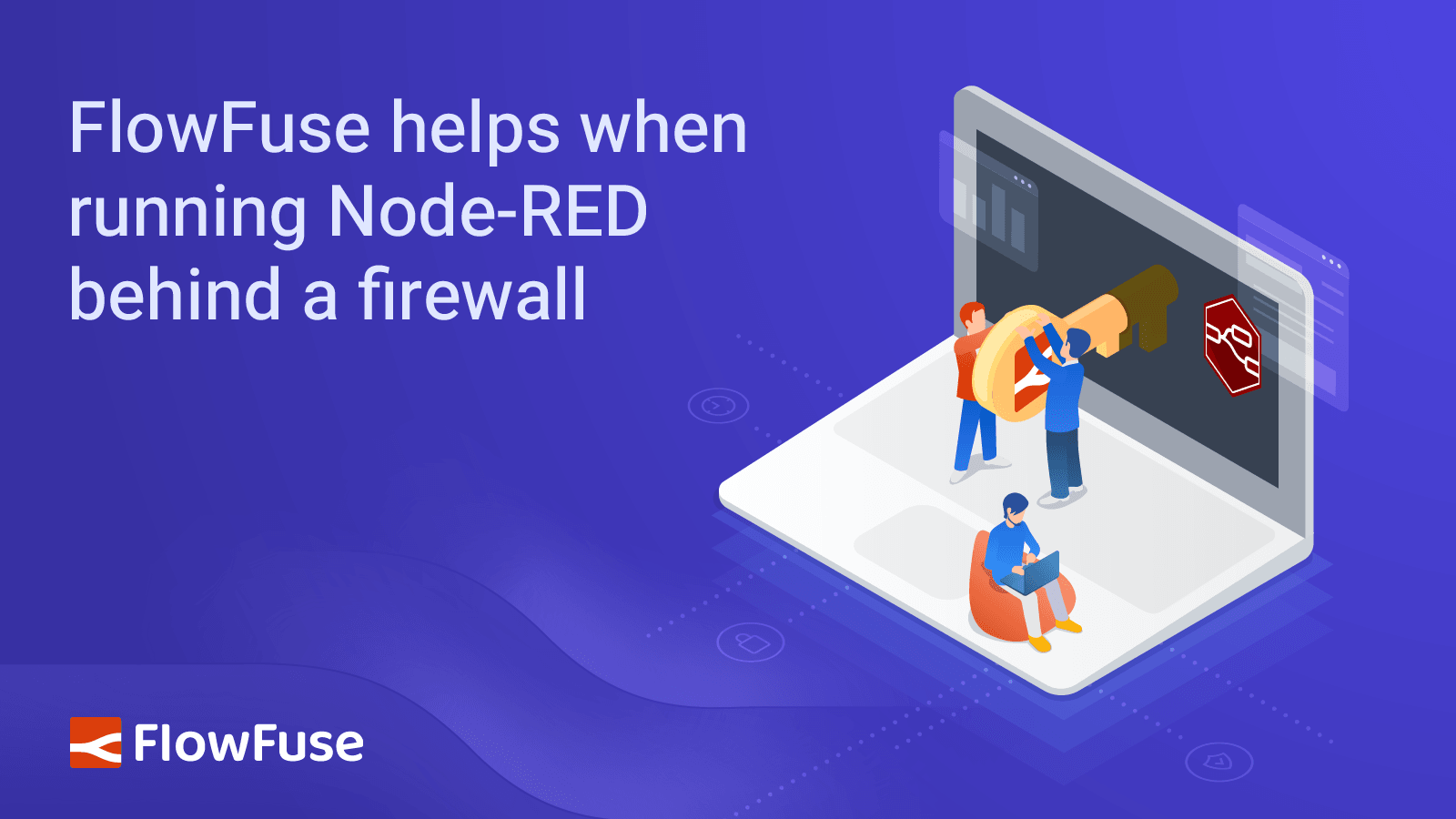
Installing and operating Node-RED behind a firewall
Practitioners using Node-RED often find themselves in a situation where a firewall is deployed in their organization. This network configuration is a fact of life and is generally not controlled by the same people using Node-RED. Given security reigns supreme in Industrial IoT (IIoT), and a firewall offers a lot of benefits, we anticipate it will be deployed more often in the future, and as such it’s good to understand how you can get the most out of Node-RED when deployed behind a firewall.
-
Storing Data: Getting Started with Node-RED
It's quite straightforward to pass plenty of useful data with each message (msg) in your flows. Not only can you store information in msg.payload, but you can also place information in any other named object, for instance, msg.store.
-
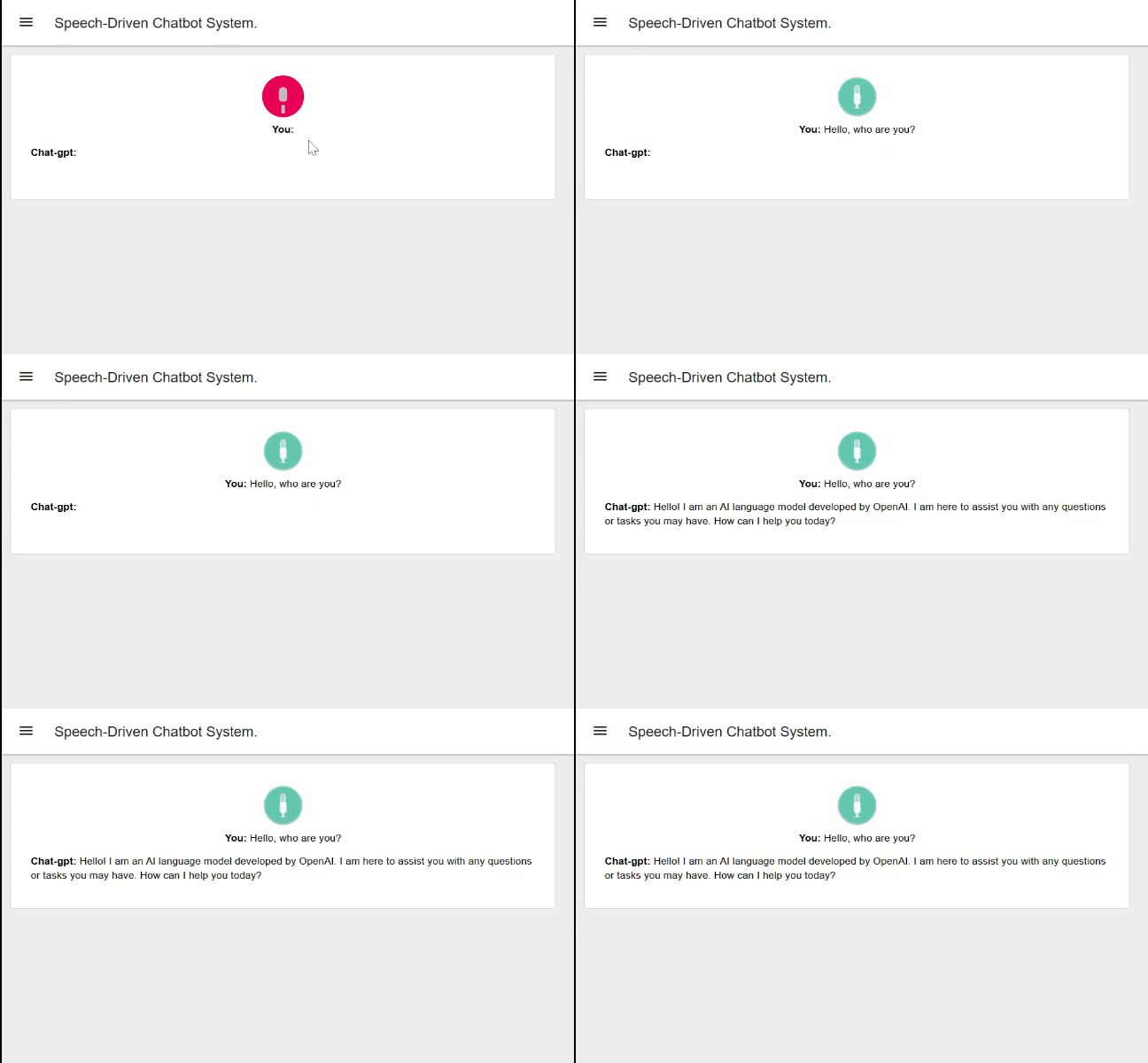
Speech-Driven Chatbot System with Node-RED
Have you ever wanted to integrate speech recognition and synthesis into your Node-RED project and thought it was too complex? Often it has required external services or APIs. However, in this guide, we show you how you can use speech recognition and synthesis in your Node-RED projects without needing an external service or API.
In addition, we make things more interesting by building a system that can listen to us and respond like humans using the Chat-GPT API. Let's get started!
-
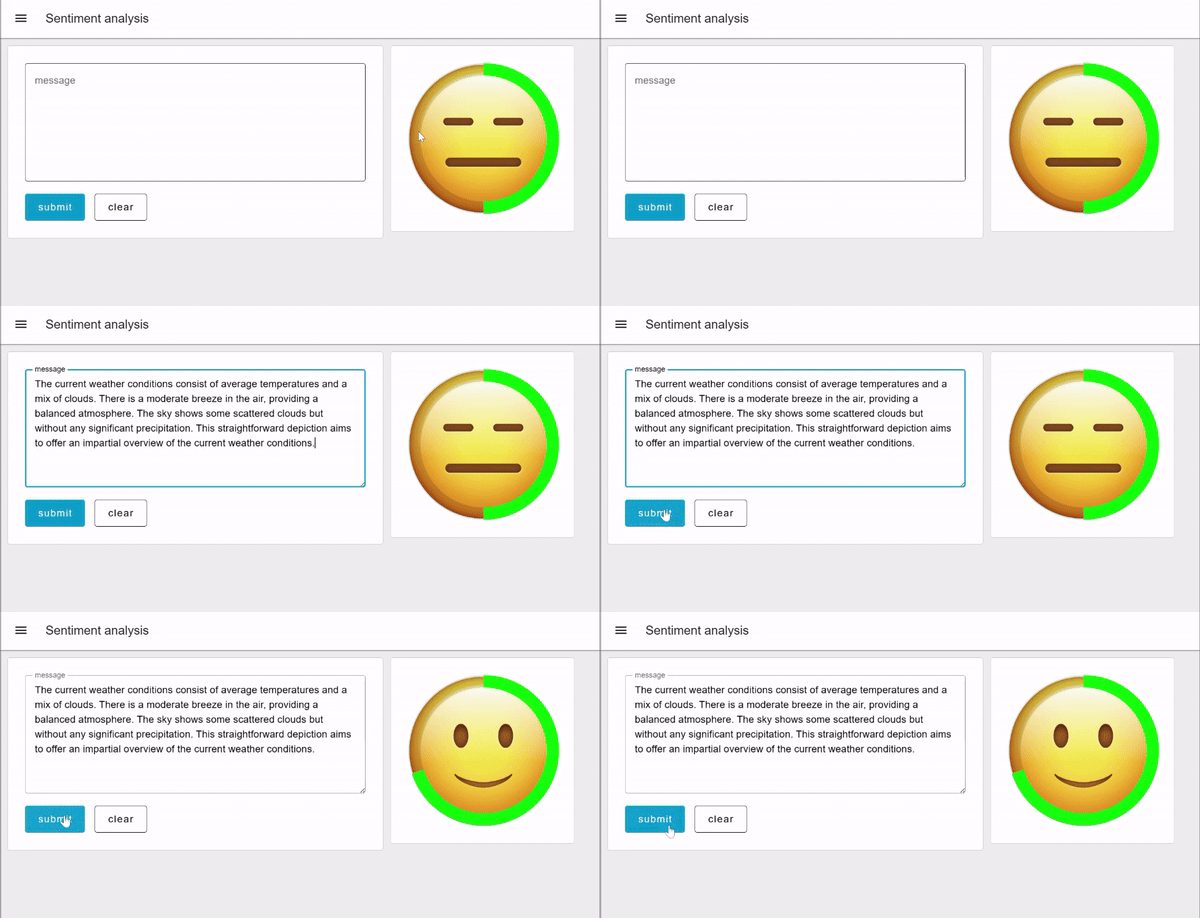
Sentiment Analysis with Node-RED
Have you ever built a sentiment analysis system to extract insights from text content? If yes then I don’t think you'll need an explanation of how complex it is to build. In this guide, we will build a sentiment analysis system with Node-RED using Dashboard 2.0 in a few easy steps.
-
Capture Data from edge devices with Node-RED
While cloud computing has revolutionized data access and analysis, not all data can be accessed from the cloud. In many scenarios, data collection from the edge – the location where data is generated – is essential for real-time decision-making or process observability.
-
Deploying the FlowFuse Device Agent via Balena
As part of the FlowFuse Staff Summit this year in Barcelona we met up with Marc Pous from Balena Io. Balena is a platform for managing fleets of Edge Devices and it felt like the perfect fit for deploying the FlowFuse Device Agent.
-
Integrate with ChatGPT Assistants with Node-RED
Introduction to the World of GPTs and AI Assistants
In the ever-evolving landscape of artificial intelligence, Generative Pre-trained Transformers (GPTs) have emerged as groundbreaking tools. These advanced AI models, developed by OpenAI, are capable of understanding and generating human-like text, offering vast possibilities across numerous applications. GPTs learn from various internet texts, enabling them to respond to queries with human-like understanding.
Among the most intriguing developments in this field are AI Assistants. These are specialized applications of GPTs, accessible through an API, designed to enhance and streamline various tasks. Tasks that include code interpreter, functions, retrieval, and leveraging uploading files to interact with. Unlike traditional GPTs, which primarily focus on generating text, AI Assistants can interact, comprehend, and assist in real-time, making them invaluable in industries ranging from manufacturing to finance to healthcare.
-
Node-RED Builder a GPT (Alpha) by FlowFuse
When ChatGPT was first released, my expectations were quite low. I had grown accustomed to the usual industry buzz for AI and ML that often led to underwhelming solutions. Naturally, I approached ChatGPT with similar reservations. It wasn't until a few months after its announcement that I decided to give it a try. To my surprise, within just 10 minutes, I found myself so captivated that I decided to purchase the pro version.
-
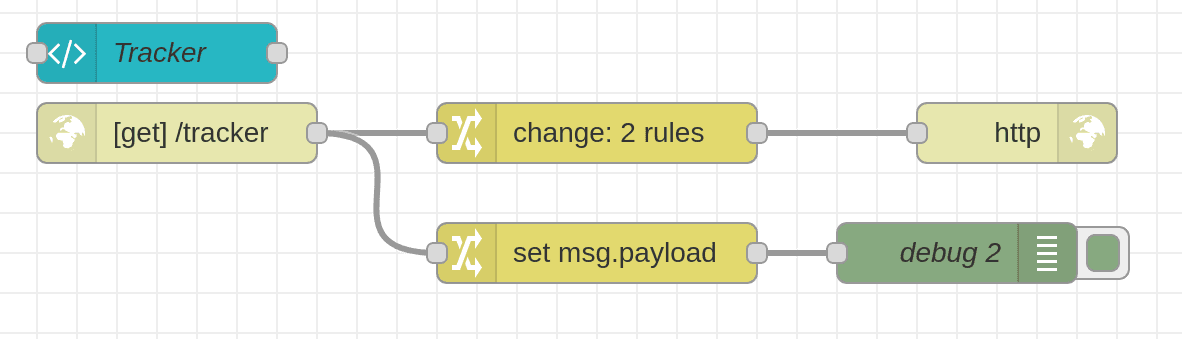
Tracking Who Has Opened a Dashboard
As we continue to add features to the Node-RED Dashboard v2 one feature request that came in was to track which users had visited a Dashboard. Multi user support for the Dashboard is on the backlog but this could be solved with the parts that are currently available.
-
Embracing Innovation: Build vs Buy in MES
Manufacturing companies often struggle to choose between building custom MES solutions or buying ready-made software. Both options have their strengths, but they can fall short of providing the flexibility and control engineers need. A hybrid approach—combining the best of both worlds—is changing the game. In this article, we’ll explore how Node-RED and FlowFuse make it easier to create MES systems that are efficient, adaptable, and perfectly suited to your needs.
-
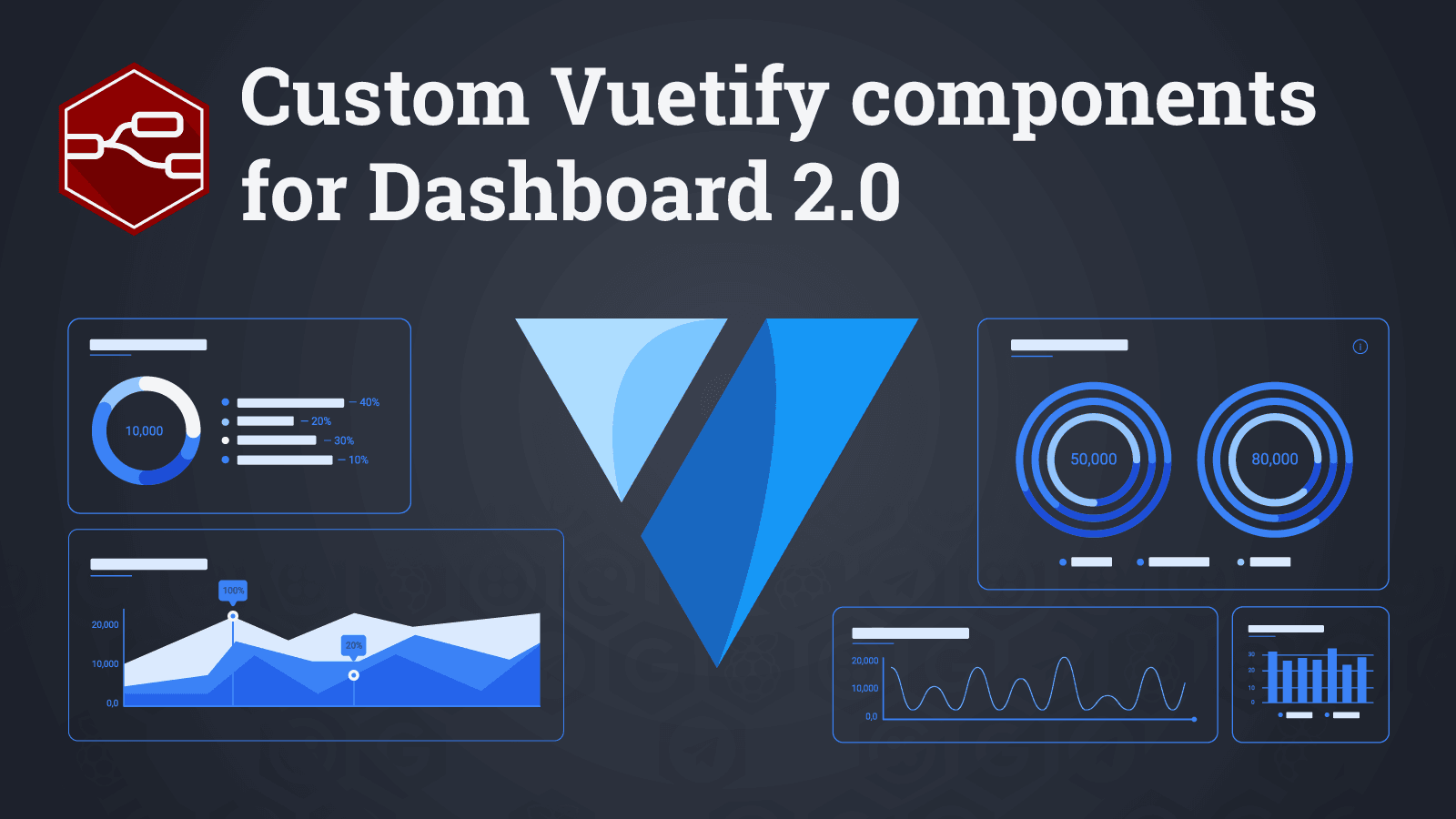
Custom Vuetify components for Dashboard 2.0
Vuetify is a library of UI components using Vue. This saves the developers of Dashboard 2.0 a lot of time, but it can also help you, the end-user. As Vuetify is now included, it can be used to include any of their components. So in this post we're going to use a few of these to teach you how to use any of them.
-
How ChatGPT improves Node-RED Developer Experience
ChatGPT has the potential to have a significant impact on the Node-RED community. It is a powerful language model that can be used to generate flows, interpret them, and provide documentation, maybe soon even write the flow! The combination of ChatGPT, or generative AI at large, with Node-RED can significantly improve the developer experience with Node-RED. In this post we’ll review what the community has already built.
-
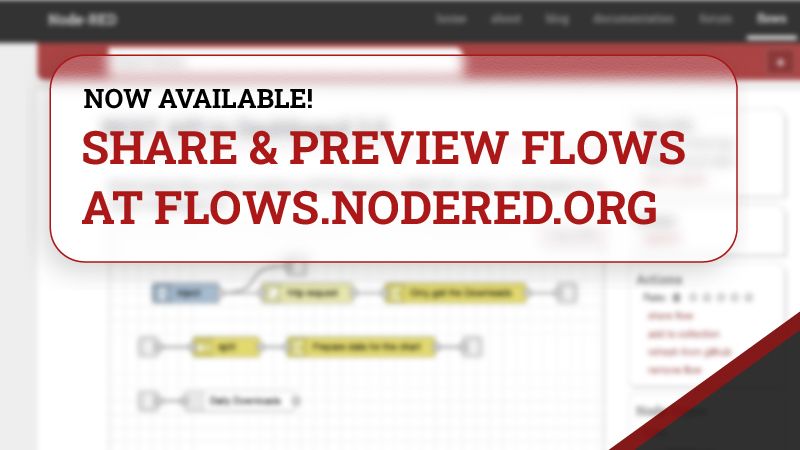
Share & Preview Flows on flows.nodered.org
For years, Node-RED's website has provided functionality to share flows through flows.nodered.org
This week, we at FlowFuse have contributed a new feature to the site that allows users to visually preview those flows, and embed/share those flows in articles and on forum posts.
-
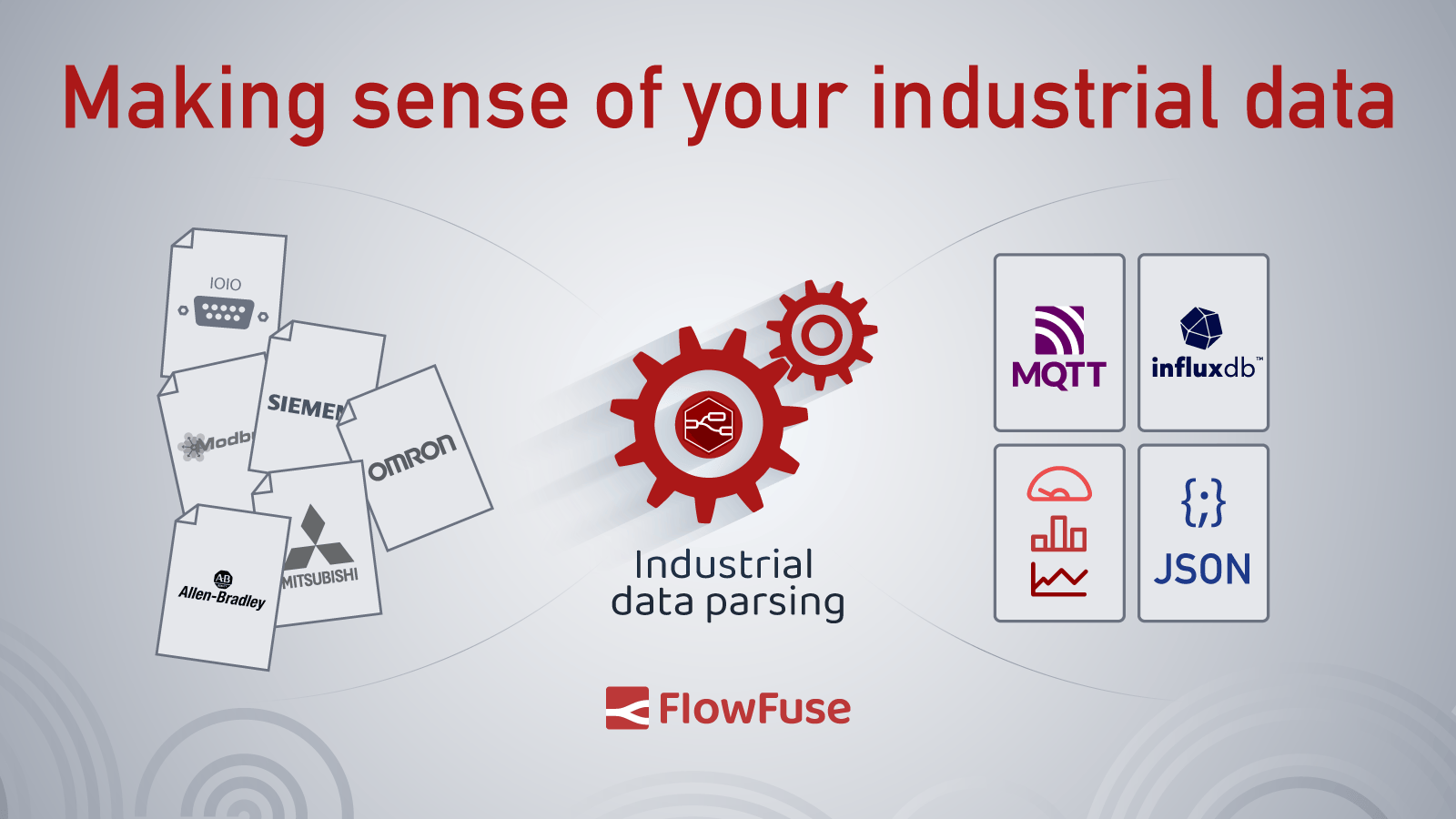
Modernize your legacy industrial data. Part 2.
In part 1 of this series, I introduced the topic of working with legacy industrial data from the likes of Modbus and older, non IIoT protocols and putting it to work in an IIoT world. We looked at some of the challenges and how Node-RED with
node-red-contrib-buffer-parsernode can help.In this article, I will dive a little deeper into the topic and discuss some of the finer details. I hope to demonstrate a smarter approach that can make a huge difference to data accuracy, performance and maintainability while significantly reducing developer time. Not only that, ending with a no-code solution.
-
Modernize your legacy industrial data
Industrial systems generate valuable data, but legacy protocols like Modbus or non-IIoT standards often make it hard to use. Bridging this gap is essential to connect traditional systems with the modern Industrial Internet of Things (IIoT).
Whether it’s Modbus registers, serial communication without a protocol, or standards like Siemens S7 and Mitsubishi MC-Protocol, the challenge lies in making sense of this raw information. With tools like Node-RED and the node-red-contrib-buffer-parser, you can turn complex, outdated data streams into usable formats that power IIoT innovation.
-

How to Build an OPC UA Client Dashboard in Node-RED - Part 3
This article is the third and final part of our OPC UA content series. In the first article, we cover some OPC UA fundamentals and walk through an example OPC UA Server flow. In the second article, we built a SSL-secured OPC UA server using data from an Allen Bradley PLC as a source. In this article, we show how to build an OPC Client in Node-RED that communicates with a 3rd party OPC UA Server and utilizes an interactive dashboard.
-
How to add images to Node-RED dashboards when using FlowFuse
Using images in your Node-RED dashboards can significantly improve your users' experience. The most common method to add images to dashboards is to store them within the filesystem of an Node-RED instance but sometimes that's not an option. How can you easily use images when working in a containerized environment such as Docker, or Kubernetes? We will also explore latest feature from FlowFuse that makes this step super easy.